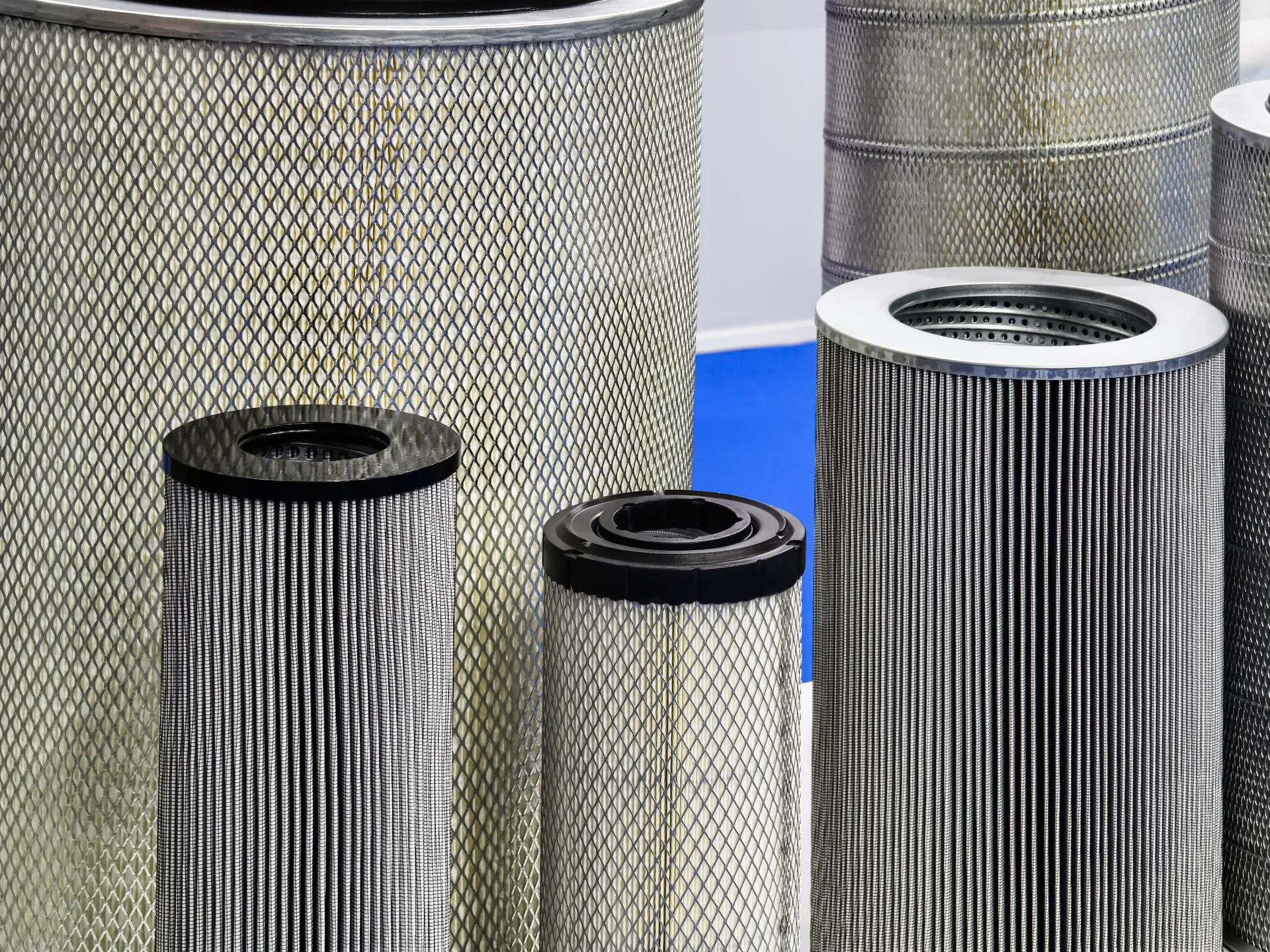
MDF vs Aluminium Frame: The Short Answer
The HEPA frame holds the pleated media, forms the sealing surface and decides how the filter behaves in its environment. Choose an MDF (medium-density fibreboard) frame for dry, cost-sensitive standard HVAC; choose an aluminium frame for humid, hygienic, high-temperature or frequently cleaned areas. Aluminium resists moisture and corrosion and is easy to clean; MDF is rigid and lower cost but sensitive to humidity.
MDF vs Aluminium at a Glance
| Criterion | MDF frame | Aluminium frame |
|---|---|---|
| Moisture resistance | Low, sensitive | High |
| Temperature tolerance | Limited | Higher |
| Hygiene and cleanability | Moderate | High |
| Weight (large sizes) | Heavier | Lighter |
| Relative cost | Lower | Higher |
| Typical use | Standard HVAC, dry areas | Cleanrooms, pharma, humid areas |
When to Choose MDF
MDF frames are dimensionally stable and economical for controlled but dry environments and standard HVAC. Safe Air offers 78 mm MDF terminal filters and 149 mm MDF terminal filters. Avoid unprotected MDF in humid or wash-down areas, where it can swell or degrade.
When to Choose Aluminium
Aluminium frames suit cleanrooms, pharmaceutical areas, humid and high-temperature applications. See 69 mm aluminium terminal filters and 149 mm aluminium HEPA filters. They are lighter in large sizes and more durable, at a higher cost.
Common Mistakes
- Using an unprotected MDF frame in humid or wash-down areas
- Choosing a frame without checking the seal it must support (gel vs gasket seal)
- Ignoring temperature limits in high-heat applications
- Assuming all frames of the same size are interchangeable
Match the Frame to the Environment
Frame material is part of the full specification, alongside filter class, media and seal. For dry HVAC, MDF is usually enough; for humid, hygienic or hot applications, aluminium is the safer choice. Send your dimensions, environment and filter class to Safe Air for the right frame and a quotation.
Frequently Asked Questions
The main difference is moisture and temperature resistance. Aluminium frames resist humidity, corrosion and higher temperatures and are easy to clean, while MDF frames are lower cost but sensitive to moisture.
It is not recommended. Unprotected MDF can swell or degrade in high humidity or wash-down conditions. For humid or frequently cleaned areas an aluminium frame is the safer choice.
Often yes. Aluminium frames are easy to clean, resist corrosion and tolerate humidity, which suits cleanroom and pharmaceutical hygiene requirements. The final choice still depends on the cleanliness class and sealing method.
No. MDF frames are dimensionally stable and reliable in the right conditions, typically dry, standard HVAC applications. Quality depends on matching the frame to the environment, not on the material alone.
Yes. The frame provides the sealing surface, so it must be compatible with the chosen gel seal or gasket seal and the housing. Confirm the frame and seal together when specifying a filter.
Aluminium tolerates higher temperatures than MDF, so it is generally preferred for hot applications. Very high temperatures may require specialised high-temperature frames and media; confirm the exact temperature limit for the product.