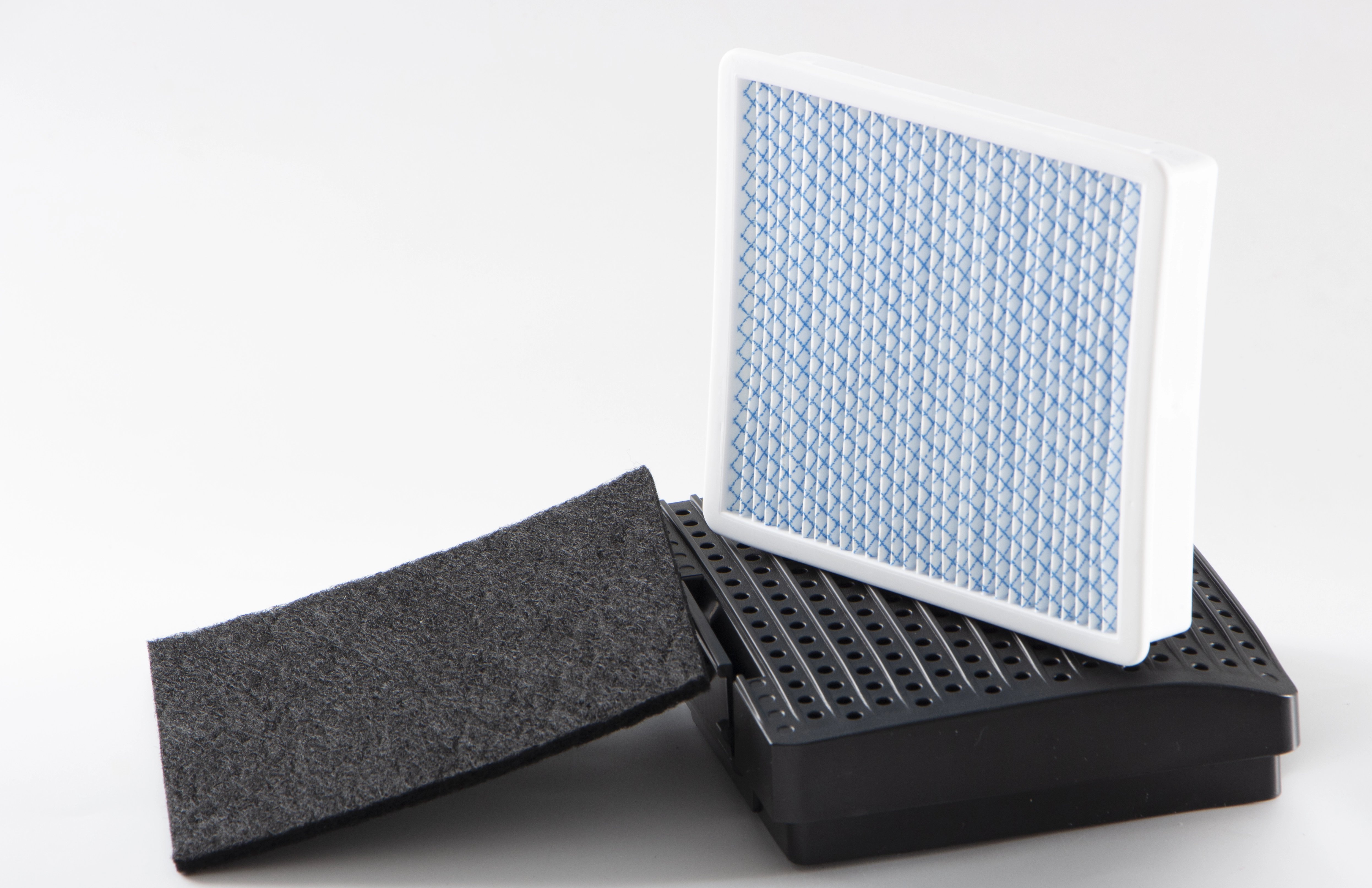
How HEPA Filters Can Support Cleaner Indoor Air for COPD-Sensitive Environments
Clean indoor air is important for everyone, but it can be especially important for people living with chronic respiratory sensitivity such as COPD. Airborne particles, dust, pollen, smoke, pet dander and other irritants may affect breathing comfort and indoor air quality. A properly selected HEPA filter can help reduce many of these airborne particles in homes, offices, healthcare spaces and ventilation systems.
HEPA filtration should not be considered a medical treatment for COPD. However, it can support a cleaner indoor environment when used together with proper ventilation, source control, regular cleaning and medical guidance from healthcare professionals.
What Is COPD and Why Does Indoor Air Quality Matter?
Chronic obstructive pulmonary disease, commonly known as COPD, refers to chronic lung conditions that can make breathing more difficult. People with COPD may be more sensitive to airborne irritants such as dust, smoke, pollen, mold spores and chemical odors.
In indoor environments, poor air quality can increase exposure to these irritants. For this reason, reducing airborne particles through suitable air filtration can be an important part of creating a cleaner and more comfortable indoor space.
Why HEPA Filters Are Used in Respiratory-Sensitive Spaces
HEPA filters are designed to capture fine airborne particles through a dense filter media. In suitable systems, they can help reduce many common indoor particles that may affect respiratory comfort.
- Dust reduction: HEPA filters help capture fine dust particles circulating in indoor air.
- Allergen control: Pollen, pet dander and similar airborne allergens can be reduced with suitable filtration.
- Smoke particle reduction: HEPA filtration can help capture particle-phase contamination from smoke, depending on system design.
- Cleaner indoor air support: When combined with ventilation and regular maintenance, HEPA filters can support better indoor air quality.
Choosing the Right HEPA Filter or Air Filtration System
Not every air filtration system provides the same performance. When selecting a HEPA filter or air purifier for a COPD-sensitive environment, technical compatibility should be considered carefully.
- Room size or system capacity: The filter or device should be suitable for the air volume of the space.
- Airflow rate: The system must provide enough airflow without creating excessive resistance.
- Filter class: HEPA filter class should be selected according to the required filtration level.
- Noise level: Low-noise operation may be important for bedrooms, patient rooms and living areas.
- Maintenance needs: Filters must be replaced regularly to maintain performance.
HEPA Filters and Other Filtration Stages
HEPA filters are often more effective when supported by pre-filtration. A pre-filter captures larger dust particles before air reaches the HEPA filter. This helps extend HEPA filter service life and supports more stable airflow.
If odor, gas or vapor control is also needed, an activated carbon filter may be used together with HEPA filtration. HEPA filters are designed for particles, while activated carbon filters are selected for odor and gas-phase contamination control.
Maintenance Is Important for Breathing Comfort
A HEPA filter can only perform properly when it is maintained correctly. Over time, filters become loaded with particles, pressure drop increases and airflow may decrease.
- Replace filters according to usage conditions and system recommendations.
- Check pre-filters and clean or replace them when required.
- Keep ventilation grilles and air paths unobstructed.
- Monitor filter condition in HVAC or central ventilation systems.
- Avoid using filters that are not compatible with the device or system.
Safe Air HEPA Filter Solutions
Safe Air manufactures HEPA filters, H13 HEPA filters, H14 HEPA filters, ULPA filters, panel filters, activated carbon filters and custom-sized air filters for different air filtration requirements. These products can be used in HVAC systems, professional ventilation systems, cleanrooms, laboratories, healthcare environments and project-based applications.
For respiratory-sensitive spaces, filter selection should be made according to application area, airflow, filter class, dimensions, frame material and maintenance requirements. Safe Air supports standard and custom air filtration needs with project-based technical evaluation.
Technical Support and Filter Selection
If you need a HEPA filter, air filtration product or custom filter solution for a COPD-sensitive indoor environment, Safe Air can help you evaluate the correct filter type according to your technical requirements.
Contact Safe Air for filter selection support
This content is for informational purposes only and does not constitute medical advice. People with COPD or respiratory complaints should consult a qualified healthcare professional.
Frequently Asked Questions
No. HEPA filtration should not be considered a medical treatment for COPD. It can support a cleaner indoor environment when used together with proper ventilation, source control and regular cleaning.
Airborne particles, dust, pollen, smoke and pet dander may affect breathing comfort and indoor air quality, which matters more in spaces used by people with chronic respiratory sensitivity.
Usually not. HEPA filtration is combined with other filtration stages so that the coarser load is captured earlier and the HEPA stage reaches its expected service life.
The selection follows the same technical route as any other application: the required filter class, the airflow of the system, the pressure drop it can accept and the installation dimensions.
On the schedule defined for the system. Breathing comfort depends on maintained airflow, and a filter left in place beyond its service life restricts the air volume the system can deliver.