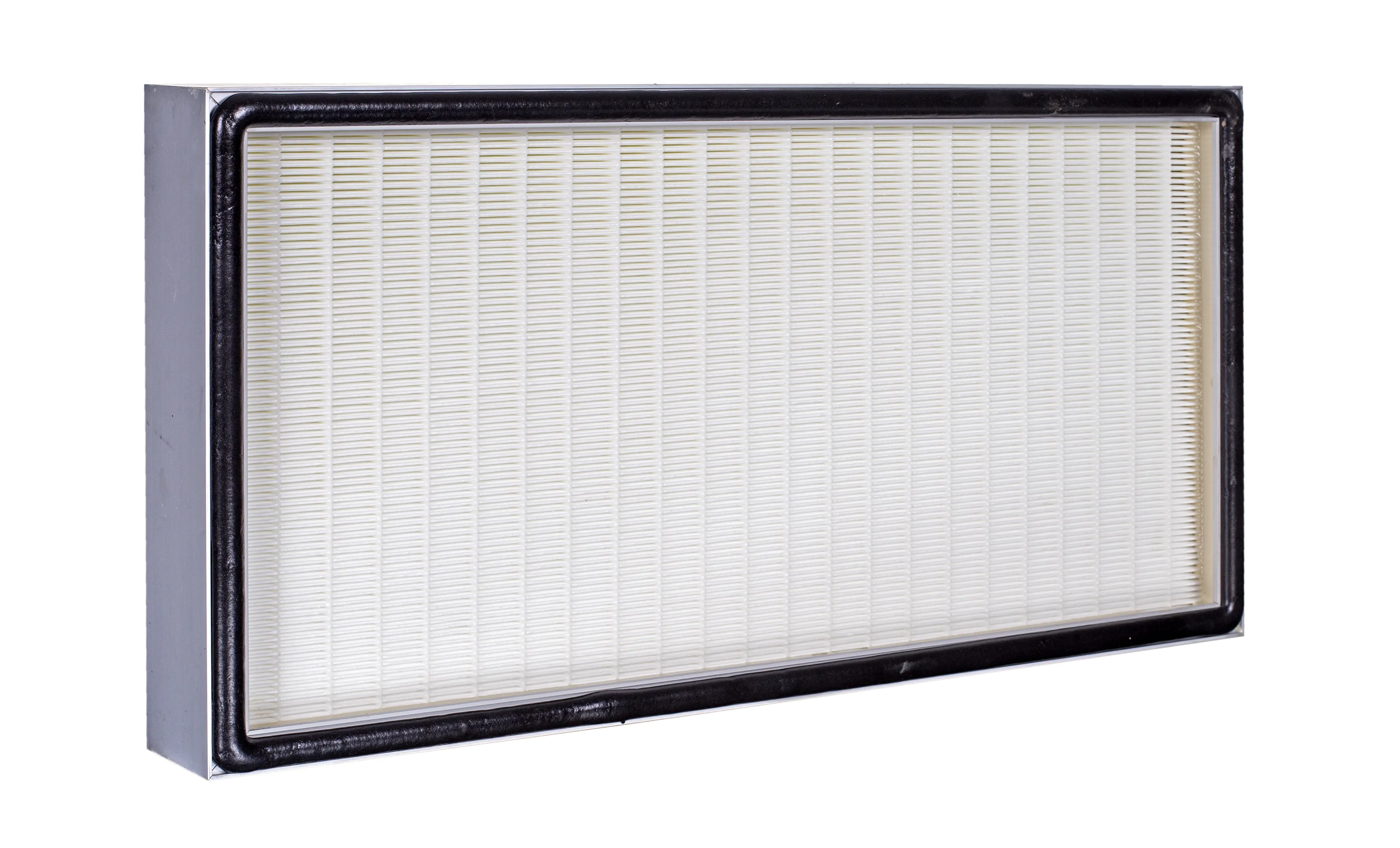
Understanding HEPA Filters and Their Role
HEPA filters are critical components in environments where air quality directly impacts safety, hygiene, and operational efficiency. From hospitals to cleanrooms and industrial production areas, these filters ensure that airborne particles are captured with extremely high efficiency.
To explore more about HEPA filter types and applications, you can visit: https://www.safeair.com.tr/hepa-filters
HEPA Filter Replacement Time: Why It Matters
Over time, HEPA filters accumulate particles such as dust, bacteria, and microscopic contaminants. While this improves filtration initially, excessive buildup reduces airflow and increases pressure drop.
If filters are not replaced on time, the system may suffer from:
- Reduced filtration efficiency
- Higher energy consumption
- Potential contamination risks
- Increased maintenance costs
Typical Replacement Intervals
The replacement frequency depends on usage and environment:
- Cleanrooms: 6–24 months
- Hospitals: 6–12 months
- Industrial use: 12–24 months
Advantages of Proper Replacement
- Maintains optimal air quality
- Improves system efficiency
- Reduces operational costs
- Ensures compliance with standards
Maintaining Long-Term Efficiency
To extend the life of HEPA filters, regular monitoring and pre-filtration systems should be used. Pressure drop measurements are especially important for determining the right replacement time.
Need Professional Support?
For expert consultation and solutions, visit: https://www.safeair.com.tr/contact
Frequently Asked Questions
Over time a HEPA filter accumulates dust, bacteria and microscopic contaminants. This improves filtration at first, but excessive buildup reduces airflow and increases pressure drop.
The system can suffer from reduced filtration performance, restricted airflow and higher energy consumption caused by the increased resistance.
No. The interval depends on the contamination load, operating hours and the conditions of the installation, which is why replacement is planned per system rather than by one general rule.
By following the pressure drop across the filter. A rising differential pressure is the practical indication that the filter is approaching the end of its service life.
Filtration performance stays at the designed level, airflow is maintained, and the energy penalty caused by unnecessary resistance is avoided.