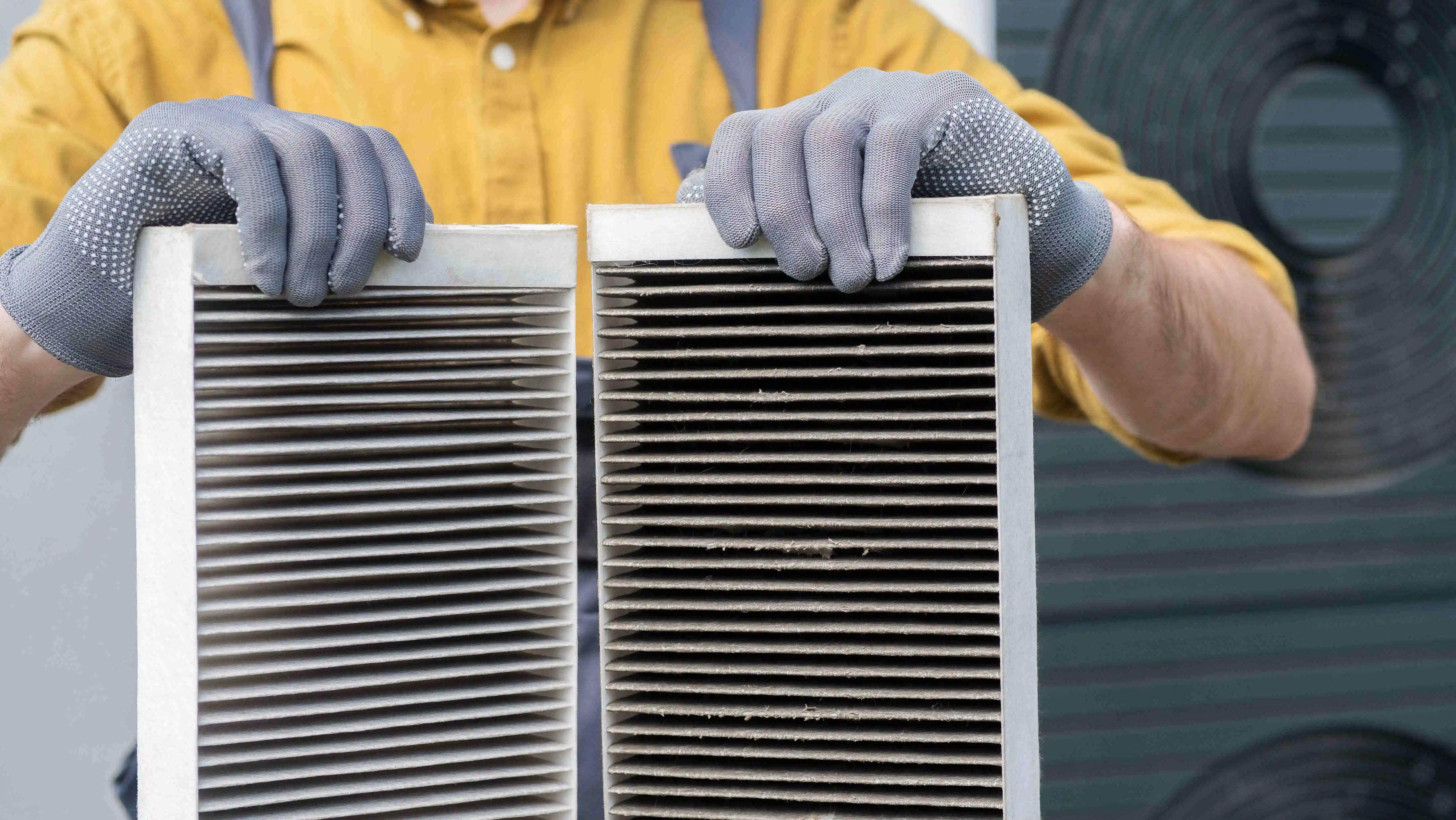
An odour complaint is a starting point for gas-phase filter selection, not a complete specification. Similar odour descriptions can represent different contaminants and loads. The request should identify the target substance and operating conditions as clearly as available evidence permits.
Identify the target contaminant
Where known, provide the gas or vapour name, measured concentration and measurement method. Separate average levels from short peaks. If only an odour description is available, say so rather than inventing a concentration. Explaining the source process helps the supplier identify the missing information.
Include operating conditions
Record airflow, operating hours, temperature and relative humidity range. These conditions and the gas challenge affect adsorbent evaluation. Describe existing particulate prefiltration and available installation space. A particulate filter class is not a measure of gas-removal capacity.
Agree an acceptance basis
Provide any required outlet concentration or reduction target together with measurement conditions. Ask for proposed adsorbent type, media quantity, operating limits and calculation assumptions. A generic product description is not a performance guarantee for a particular gas challenge.
Include replacement scope in price comparisons
Differential pressure is not a direct measure of remaining gas-removal capacity. Replacement needs suitable performance monitoring and product instructions. Clarify whether the offer covers complete elements or media replacement and who performs the work. When sending a request to Safe Air, identify unknown gas data so assumptions can be reviewed explicitly.
Field example
Example: A process may create a high gas load only at shift start. The daily average may miss that event. Include peak duration and available measurements. If data is missing, keep the gap visible and do not record an assumption-based estimate as guaranteed service life.
Practical checklist
- Target gas and measured concentration
- Airflow, temperature, humidity and operating hours
- Acceptance basis and measurement conditions
- Adsorbent scope and replacement method
Send Safe Air the dimensions, requested class, airflow per element and quantity. Identify missing information and confirm product and document scope during quotation review.
Request a technical quotation · Related products and supply information
Technical references
Frequently Asked Questions
No. Contaminant loading, operating conditions and performance targets need to be defined.
No. Use appropriate gas-phase monitoring and replacement criteria.